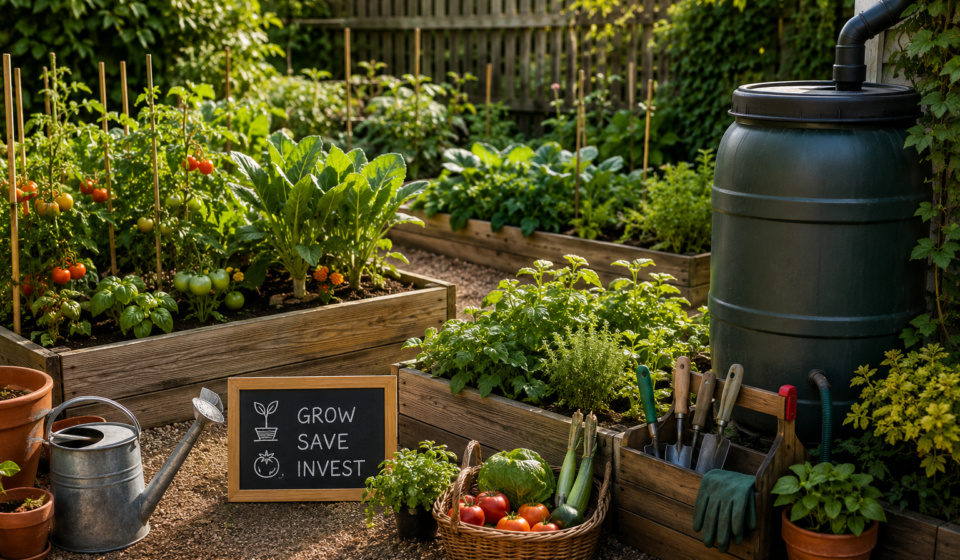

Creating a beautiful and productive garden does not have to cost a fortune. With careful planning, smart spending, and a little creativity, anyone can develop an investing garden that provides long-term financial and environmental benefits. Rather than seeing gardening as an expense, many homeowners now view it as an investment that delivers fresh vegetables, herbs, flowers, and even increased property value over time.
An investing garden focuses on making every dollar count. Instead of purchasing expensive decorative features or mature plants, you invest in quality soil, reliable seeds, and sustainable gardening practices that continue producing results year after year. Even with a limited budget, you can create a thriving outdoor space that reduces grocery bills, supports healthier eating habits, and enhances your home’s appearance.
Whether you have a large backyard, a small patio, or a balcony, this guide will show you practical ways to build an affordable garden that grows in value with every season.
Why an Investing Garden Makes Financial Sense
Many people underestimate the financial benefits of gardening. While there is an initial investment, the long-term savings often outweigh the startup costs.
Some key advantages include:
- Lower grocery expenses through homegrown vegetables and herbs.
- Reduced spending on landscaping plants.
- Higher property appeal through improved curb appeal.
- Less reliance on store-bought organic produce.
- Opportunities to grow expensive herbs at home.
- Better food quality with complete control over growing methods.
Unlike many hobbies that require continuous spending, an investing garden becomes more productive each year as the soil improves and perennial plants mature.
Set a Realistic Budget Before You Start
One of the biggest mistakes beginners make is purchasing everything at once. A successful investing garden begins with a clear budget.
Start by determining exactly how much you can comfortably spend. Even a budget of $50 to $100 can create a productive garden if you prioritize essentials.
Your first purchases should include:
- Seeds
- Basic hand tools
- Quality compost
- Watering can
- Garden gloves
- Mulch
Avoid decorative items during your first season. Focus on growing healthy plants rather than creating a picture-perfect garden.
Creating a simple budget also helps prevent impulse purchases at garden centers.
Start Small Instead of Planting Everything
Many new gardeners become overwhelmed by trying to grow too many crops.
Instead, dedicate one small section of your yard or a few raised beds to your first season.
Starting small allows you to:
- Learn gardening basics
- Spend less money
- Reduce maintenance
- Identify what grows best
- Improve your skills before expanding
A successful small garden usually produces more usable food than a large neglected one.
As your confidence grows, you can gradually increase the size of your investing garden each year.
Choose the Right Location
Location plays one of the biggest roles in gardening success.
Most vegetables require between six and eight hours of direct sunlight every day.
Before planting, observe your outdoor space for several days.
Pay attention to:
- Morning sunlight
- Afternoon shade
- Water drainage
- Wind exposure
- Nearby trees
- Easy access to water
Choosing the right location from the beginning saves money because healthy plants require fewer replacements and less maintenance.
Test Your Soil Before Spending Money
Healthy soil is the foundation of every productive garden.
Rather than buying expensive fertilizers immediately, begin by understanding your existing soil.
Simple soil testing kits are inexpensive and reveal:
- pH level
- Nutrient availability
- Organic matter
- Soil texture
Many local agricultural offices also provide affordable soil testing services.
Once you know what your soil needs, you avoid wasting money on unnecessary amendments.
Improve Soil Naturally
Instead of purchasing large amounts of commercial fertilizer, improve your soil naturally.
Affordable options include:
- Homemade compost
- Grass clippings
- Fallen leaves
- Kitchen vegetable scraps
- Coffee grounds
- Crushed eggshells
These materials gradually enrich the soil while reducing household waste.
Healthy soil retains moisture better, meaning you’ll spend less on watering throughout the growing season.
Build Compost Instead of Buying It
Compost is one of the most valuable investments for any garden.
Fortunately, making compost costs almost nothing.
You can combine:
- Fruit peels
- Vegetable scraps
- Dry leaves
- Cardboard
- Coffee grounds
- Grass clippings
After several months, these materials break down into nutrient-rich compost that improves plant growth naturally.
Homemade compost can replace expensive commercial fertilizers while continuously improving soil quality.
Buy Seeds Instead of Mature Plants
One of the easiest ways to reduce gardening costs is starting from seeds.
A single packet often costs less than one mature plant and can produce dozens of vegetables.
Good beginner crops include:
- Lettuce
- Spinach
- Beans
- Radishes
- Tomatoes
- Cucumbers
- Carrots
Growing from seed requires patience but significantly lowers your gardening expenses.
Many gardeners also save seeds from healthy plants for future seasons, making the investing garden even more affordable over time.
Reuse Household Items as Garden Containers
Containers can become surprisingly expensive.
Instead of purchasing decorative pots, repurpose items you already own.
Examples include:
- Buckets
- Wooden crates
- Plastic storage bins
- Old baskets
- Food containers
- Metal tubs
Just ensure every container has proper drainage holes.
Creative recycling helps lower costs while reducing environmental waste.
Choose High-Value Crops
To maximize your return, focus on crops that are expensive to purchase in grocery stores.
Examples include:
- Basil
- Rosemary
- Thyme
- Cilantro
- Cherry tomatoes
- Bell peppers
- Garlic
- Strawberries
These crops often produce continuously throughout the season, giving you excellent value from a small investment.
Buy Second-Hand Gardening Tools
Gardening tools can quickly become expensive if you purchase everything brand new. Fortunately, many quality tools last for decades, making second-hand shopping an excellent way to save money.
Check:
- Garage sales
- Flea markets
- Local gardening groups
- Online marketplaces
- Community swap events
Essential beginner tools include:
- Hand trowel
- Garden fork
- Pruning shears
- Hoe
- Watering can
- Garden rake
Clean and sharpen used tools before using them. Proper maintenance extends their lifespan and keeps replacement costs low.
Build DIY Raised Beds
Raised garden beds improve drainage, reduce weeds, and make gardening easier. However, buying ready-made raised beds can be expensive.
Instead, build your own using affordable materials such as:
- Reclaimed wood
- Untreated lumber
- Concrete blocks
- Old bricks
- Recycled pallets (heat-treated only)
A homemade raised bed often costs less than half the price of a commercial kit while providing the same growing benefits.
Collect Rainwater to Reduce Water Bills
Water can become one of the largest ongoing gardening expenses during hot weather.
Installing a simple rain barrel allows you to collect water from your roof and store it for dry periods.
Benefits include:
- Lower water bills
- Sustainable irrigation
- Healthier plants
- Reduced dependence on municipal water
Even a small rain barrel can provide hundreds of gallons of free water throughout the growing season.
Mulch to Save Money
Mulching is one of the smartest investments for an investing garden.
Organic mulch helps:
- Retain soil moisture
- Prevent weeds
- Improve soil quality
- Reduce watering frequency
- Protect plant roots
Affordable mulch materials include:
- Wood chips
- Straw
- Pine needles
- Grass clippings
- Shredded leaves
Instead of buying decorative mulch, use natural materials available in your yard whenever possible.
Practice Companion Planting
Companion planting allows different plants to support each other’s growth naturally.
Popular combinations include:
- Tomatoes with basil
- Carrots with onions
- Beans with corn
- Marigolds with vegetables
- Cucumbers with radishes
Benefits include:
- Fewer pests
- Better pollination
- Higher yields
- Reduced need for chemicals
This simple strategy saves money while increasing productivity.
Grow Perennial Crops
Annual vegetables require replanting every year.
Perennial plants continue producing with minimal maintenance, making them excellent long-term investments.
Examples include:
- Asparagus
- Rhubarb
- Blueberries
- Strawberries
- Mint
- Chives
- Rosemary
- Thyme
Although perennial plants may cost slightly more initially, they continue rewarding you for many years.
Save Seeds for Future Seasons
One of the easiest ways to reduce gardening expenses is saving seeds from healthy plants.
Suitable plants include:
- Tomatoes
- Beans
- Peppers
- Lettuce
- Peas
- Herbs
Allow fruits or vegetables to fully mature before collecting seeds.
Dry them completely before storing them in labeled envelopes in a cool, dry place.
Over time, seed saving makes your investing garden increasingly self-sufficient.
Make Your Own Natural Fertilizers
Commercial fertilizers can become expensive over multiple growing seasons.
Instead, create homemade alternatives.
Examples include:
Compost Tea
Steep finished compost in water for several days to create a nutrient-rich liquid fertilizer.
Eggshell Fertilizer
Crushed eggshells provide calcium for tomatoes and peppers.
Banana Peel Fertilizer
Banana peels contain potassium, supporting flowering and fruit production.
Coffee Grounds
Used coffee grounds add organic matter and nitrogen to compost piles.
Natural fertilizers improve soil health while reducing gardening expenses.
Control Pests Without Expensive Chemicals
Pest damage can reduce harvests, but expensive pesticides are rarely necessary.
Affordable pest-control methods include:
- Hand-picking insects
- Neem oil spray
- Soap-water spray
- Companion planting
- Row covers
- Beneficial insects like ladybugs
Healthy soil and strong plants naturally resist many common pests.
Reuse and Recycle Gardening Materials
An effective investing garden avoids unnecessary purchases.
Household items that can be reused include:
- Yogurt containers for seedlings
- Egg cartons for seed starting
- Plastic bottles as watering devices
- Old buckets as planters
- Wooden pallets for vertical gardens
- Newspaper for weed suppression
Creative recycling reduces costs while minimizing waste.
Start Plants Indoors
Growing seedlings indoors before transplanting them outside saves money and extends the growing season.
You only need:
- Seed trays
- Potting mix
- Sunny window
- Grow light (optional)
Indoor seedlings are much cheaper than buying mature nursery plants.
Join Local Gardening Communities
Community gardening groups often exchange:
- Seeds
- Plants
- Compost
- Gardening advice
- Tools
These exchanges significantly reduce startup costs while helping beginners learn from experienced gardeners.
Many communities also organize seasonal plant swaps where gardeners trade surplus seedlings.
Track Every Gardening Expense
Treat your garden like a small investment project.
Keep a notebook or spreadsheet recording:
- Seed purchases
- Soil costs
- Tool expenses
- Water usage
- Harvest amounts
Tracking expenses helps you identify where money is being spent and where future savings are possible.
Many gardeners discover that their annual harvest quickly exceeds their original investment.
Expand Your Garden Gradually
There is no need to build your dream garden in one season.
Instead:
- Add one raised bed each year.
- Plant additional fruit bushes gradually.
- Expand compost production.
- Increase perennial crops.
- Improve irrigation over time.
Small annual improvements create a highly productive garden without placing pressure on your budget.
Harvest Smart to Reduce Food Costs
One of the greatest advantages of an investing garden is the ongoing reduction in grocery expenses. Harvesting vegetables, herbs, and fruits at the right time ensures the highest quality while encouraging many plants to produce even more.
Leafy greens such as lettuce and spinach can be harvested gradually by picking only the outer leaves. This method allows the plants to continue growing for weeks. Herbs like basil, mint, parsley, and cilantro also produce more when harvested regularly.
To minimize waste:
- Harvest vegetables at peak ripeness.
- Freeze surplus produce.
- Dry herbs for year-round use.
- Share excess harvest with neighbors or family.
- Preserve vegetables through pickling or canning.
Every pound of produce harvested from your garden represents money saved that would otherwise be spent at the grocery store.
Plan for Every Growing Season
Successful gardeners think beyond a single season. Planning your planting schedule helps keep your garden productive throughout the year.
A seasonal plan might include:
Spring
- Lettuce
- Spinach
- Peas
- Carrots
- Radishes
Summer
- Tomatoes
- Cucumbers
- Peppers
- Beans
- Squash
Autumn
- Kale
- Broccoli
- Cabbage
- Beets
- Garlic
Rotating crops each season also improves soil health and reduces pest problems.
Continue Improving Your Garden Each Year
An investing garden grows more valuable over time. Instead of making expensive upgrades all at once, improve your garden gradually.
Annual improvements may include:
- Expanding compost production.
- Adding another raised bed.
- Installing drip irrigation.
- Planting additional fruit trees.
- Building vertical growing systems.
- Increasing perennial crops.
Small yearly improvements are affordable and create significant long-term benefits.
Calculate Your Return on Investment
Treat your garden like any other investment.
Record:
- Initial setup costs.
- Seed purchases.
- Tool expenses.
- Water costs.
- Harvest quantities.
Compare those expenses with the retail value of the produce you harvest.
For example:
| Item | Cost |
| Seeds | $20 |
| Compost | $30 |
| Basic Tools | $50 |
| Total Investment | $100 |
If your garden produces $400 worth of vegetables during the season, you’ve achieved an excellent return while also enjoying fresher, healthier food.
As your soil improves and your experience grows, future seasons often become even more profitable because startup costs decrease.
Common Mistakes to Avoid
Even experienced gardeners occasionally make costly mistakes. Avoid these common issues:
- Buying too many plants at once.
- Ignoring soil preparation.
- Planting without adequate sunlight.
- Overwatering crops.
- Using poor-quality seeds.
- Forgetting to mulch.
- Skipping crop rotation.
- Neglecting regular harvesting.
Learning from these mistakes helps your garden remain productive and budget-friendly.
Frequently Asked Questions
What is an investing garden?
An investing garden is a garden designed with long-term value in mind. Instead of focusing only on appearance, it emphasizes growing food, improving soil, reducing expenses, and creating lasting financial benefits.
How much money do I need to start?
Many beginners successfully start with a budget between $50 and $100 by purchasing seeds, compost, and a few basic tools while using recycled containers and homemade compost.
Can I build an investing garden without a backyard?
Yes. Container gardening on balconies, patios, rooftops, and even sunny windows can produce vegetables, herbs, and flowers while keeping costs low.
Which vegetables provide the best value?
Some of the highest-value crops include:
- Tomatoes
- Bell peppers
- Basil
- Lettuce
- Spinach
- Garlic
- Strawberries
- Herbs
These are often expensive to buy but inexpensive to grow.
Is compost really necessary?
Compost greatly improves soil fertility, moisture retention, and plant health. Homemade compost is one of the most cost-effective ways to maintain a productive garden.
Final Thoughts
Building an investing garden on a small budget is one of the smartest ways to combine financial savings, sustainability, and healthy living. By starting with a realistic budget, improving your soil naturally, choosing productive crops, and reusing available materials, you can create a thriving garden without overspending.
Remember that gardening is a long-term investment rather than a one-time project. Every season brings new opportunities to improve your soil, expand your planting space, save more seeds, and increase your harvest. Over time, the value of fresh produce, reduced grocery bills, and enhanced outdoor space can far exceed your initial investment.
Whether you have a spacious backyard or a few containers on a balcony, every small step contributes to a more productive and rewarding gardening experience. With patience, consistent care, and smart planning, your investing garden can become a reliable source of fresh food, financial savings, and personal satisfaction for many years to come.