
Introduction
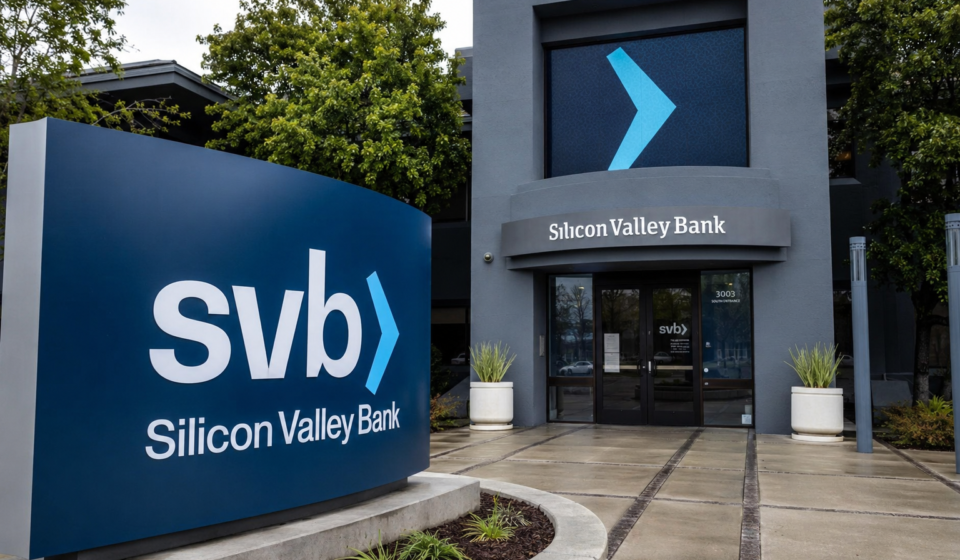
Silicon Valley Bank (SVB) was once considered one of the most influential financial institutions serving startups, venture capital firms, and technology companies. For decades, the bank built a strong reputation by providing specialized banking solutions tailored to innovative businesses that traditional banks often overlooked. Its focus on entrepreneurs, life science companies, and venture-backed startups helped it become a key player in the global innovation economy.
However, Silicon Valley Bank also became widely known after its dramatic collapse in March 2023, one of the largest bank failures in U.S. history. The event sent shockwaves through the financial industry, affected thousands of businesses, and prompted swift action from U.S. regulators.
Today, Silicon Valley Bank continues operating under new ownership while maintaining many of its business banking services. This article provides a comprehensive overview of Silicon Valley Bank, including its history, services, financial model, the reasons behind its collapse, and what businesses can learn from its story.
What Is Silicon Valley Bank?
Silicon Valley Bank (SVB) is a commercial bank that specializes in serving businesses rather than traditional retail customers. Founded in 1983 in Santa Clara, California, the bank focused on supporting technology startups, venture capital firms, private equity companies, and life sciences organizations.
Unlike many traditional banks that primarily serve individuals and local businesses, SVB developed expertise in financing high-growth companies. This niche allowed it to become a trusted financial partner for thousands of startups across the United States and internationally.
Its clients ranged from early-stage startups seeking their first business account to established technology firms managing millions of dollars in funding.
History of Silicon Valley Bank
Silicon Valley Bank was founded by a group of banking professionals who recognized the unique financial needs of emerging technology companies in Silicon Valley.
Key milestones include:
- 1983: Silicon Valley Bank was established.
- 1990s: Expanded alongside the rapid growth of the technology sector.
- 2000s: Increased lending to venture-backed startups.
- 2010–2021: Experienced significant growth during the startup and venture capital boom.
- 2023: Bank collapsed after a severe liquidity crisis.
- 2023 onward: Acquired by First Citizens Bank, continuing operations under the SVB brand.
Throughout its history, the bank became closely connected with the innovation ecosystem, working alongside venture capital investors and startup founders.
Business Banking Services Offered by Silicon Valley Bank
Silicon Valley Bank became popular because it offered financial services specifically designed for innovative businesses.
1. Business Checking and Savings Accounts
SVB provided business banking accounts with features designed for startups and growing companies.
Benefits included:
- Digital banking tools
- Multi-user account access
- Treasury management
- Cash flow monitoring
- Online payment solutions
2. Startup Banking Solutions
Early-stage companies often struggle to obtain financing from traditional banks.
SVB specialized in:
- Seed-stage banking
- Venture-backed startup financing
- Working capital loans
- Founder banking services
This specialization helped thousands of startups secure financial support during their growth stages.
3. Venture Debt
One of SVB’s signature services was venture debt.
Venture debt allows startups that have already raised investment funding to borrow additional capital without giving away more company ownership.
Benefits include:
- Reduced equity dilution
- Extended cash runway
- Additional operational flexibility
- Support between funding rounds
4. Commercial Lending
The bank offered loans to businesses for various purposes, including:
- Business expansion
- Equipment purchases
- Working capital
- Commercial real estate
- Technology investments
5. Treasury and Cash Management
Growing companies require sophisticated cash management tools.
SVB provided:
- International payments
- Wire transfers
- Foreign exchange services
- Liquidity management
- Cash forecasting
These services helped businesses manage complex financial operations.
6. Private Banking
In addition to corporate banking, Silicon Valley Bank also served founders, executives, and venture capital partners.
Private banking services included:
- Wealth management
- Mortgage lending
- Investment planning
- Personal banking solutions
7. International Banking
SVB expanded internationally to support startups entering global markets.
International services included:
- Cross-border banking
- Foreign currency accounts
- Global payment solutions
- International treasury services
Industries Served
Silicon Valley Bank primarily focused on innovation-driven sectors.
Major industries included:
- Technology
- Software
- Artificial Intelligence
- Healthcare
- Biotechnology
- Medical Devices
- Clean Energy
- FinTech
- Venture Capital
- Private Equity
- Life Sciences
This industry specialization distinguished SVB from conventional commercial banks.
Why Silicon Valley Bank Became So Successful
Several factors contributed to SVB’s rapid growth.
Strong Startup Relationships
SVB understood startup financing better than many traditional banks.
Its banking professionals worked closely with founders and investors throughout each stage of business growth.
Venture Capital Network
The bank maintained strong relationships with venture capital firms.
Many VC firms encouraged portfolio companies to bank with SVB, creating a powerful network effect.
Industry Expertise
Instead of serving every industry equally, SVB focused on sectors with high growth potential.
This specialization enabled the bank to design products specifically for innovative businesses.
Technology-Focused Banking
SVB invested heavily in digital banking platforms and treasury solutions suitable for modern companies.
The Collapse of Silicon Valley Bank
Despite decades of success, Silicon Valley Bank faced a historic banking crisis in March 2023.
Several factors contributed to the collapse.
Rising Interest Rates
During 2022 and early 2023, the U.S. Federal Reserve increased interest rates rapidly.
Higher interest rates reduced the value of long-term government bonds held by the bank.
Concentrated Customer Base
Unlike diversified banks, SVB relied heavily on technology startups.
When venture capital funding slowed, many startups withdrew large amounts of cash from their accounts.
Large Uninsured Deposits
Many SVB customers held deposits well above federal insurance limits.
As concerns spread, companies quickly attempted to withdraw billions of dollars simultaneously.
Bank Run
Within a short period, depositors requested tens of billions of dollars in withdrawals.
The bank could not raise enough liquidity quickly enough to satisfy demand.
Regulators stepped in and closed the bank.
Acquisition by First Citizens Bank
Following the collapse, First Citizens Bank acquired substantial portions of Silicon Valley Bank.
The acquisition allowed many banking services to continue while restoring confidence among customers.
Today, many former SVB clients continue banking under the new ownership structure.
Financial Overview
Before its collapse, Silicon Valley Bank had become one of America’s largest banks.
Some notable characteristics included:
- Hundreds of billions of dollars in assets
- Thousands of business customers
- Strong presence in innovation hubs
- Extensive venture capital relationships
- International banking operations
Despite its impressive size, the bank’s concentrated customer base and investment strategy created vulnerabilities during periods of economic uncertainty.
Advantages of Banking with Silicon Valley Bank
Many businesses appreciated SVB for several reasons.
Specialized Expertise
The bank understood startup financing better than most traditional institutions.
Flexible Lending
Businesses often qualified for financing unavailable elsewhere.
Venture Capital Connections
SVB helped connect founders with investors and financial partners.
Global Banking Support
International payment capabilities benefited rapidly expanding companies.
Innovative Products
Products were designed specifically for technology businesses.
Challenges and Risks
The bank also demonstrated several risks.
Customer Concentration
Serving primarily one industry increased financial exposure.
Interest Rate Risk
Long-term investments became less valuable as interest rates increased.
Liquidity Management
Rapid customer withdrawals created severe liquidity challenges.
Market Confidence
Banking depends heavily on customer trust.
Once confidence declined, withdrawals accelerated rapidly.
Lessons for Businesses
The SVB collapse offers valuable lessons for entrepreneurs.
Diversify Banking Relationships
Businesses should consider maintaining accounts at multiple financial institutions.
Monitor Cash Management
Companies should regularly review cash reserves and liquidity planning.
Understand Deposit Insurance
Businesses holding large balances should understand deposit insurance limits and available protection options.
Prepare Risk Management Plans
Financial contingency planning helps businesses respond during unexpected banking disruptions.
The Future of Silicon Valley Bank
Although the original institution experienced one of the largest bank failures in U.S. history, the Silicon Valley Bank brand continues under First Citizens Bank.
Its focus remains on supporting innovation-driven businesses through commercial banking, venture lending, treasury management, and financial advisory services.
As the startup ecosystem continues to evolve, specialized banking institutions will likely remain important partners for entrepreneurs and investors.
Frequently Asked Questions
What is Silicon Valley Bank known for?
Silicon Valley Bank is best known for providing banking services to startups, venture capital firms, technology companies, and life science businesses.
Why did Silicon Valley Bank fail?
The bank collapsed due to a combination of rising interest rates, significant unrealized losses on long-term securities, a concentrated customer base, and a rapid bank run that drained its liquidity.
Does Silicon Valley Bank still exist?
Yes. After its 2023 failure, Silicon Valley Bank’s operations were acquired by First Citizens Bank, and many services continue under the SVB brand.
Who typically banks with Silicon Valley Bank?
Its primary customers include startups, venture-backed companies, private equity firms, venture capital firms, biotechnology companies, healthcare organizations, and technology businesses.
What services does Silicon Valley Bank provide?
SVB offers business checking, treasury management, venture debt, commercial lending, startup banking, international banking, private banking, and cash management solutions.
Conclusion
Silicon Valley Bank played a unique role in the global innovation economy by providing specialized financial services to startups and high-growth businesses. Its deep understanding of venture capital, technology, and entrepreneurship helped thousands of companies scale and succeed over several decades.
At the same time, its dramatic collapse highlighted the importance of sound risk management, diversified funding sources, and maintaining customer confidence in the banking sector. Under the ownership of First Citizens Bank, Silicon Valley Bank continues to support businesses with many of its specialized services while operating within a stronger financial framework.
For entrepreneurs, investors, and business leaders, the story of Silicon Valley Bank serves as both an example of innovation-focused banking and a reminder of the importance of balancing growth with prudent financial risk management.



[…] Making a larger down payment offers several financial benefits. […]
[…] educational purposes and testnet demonstrations, allowing developers to experiment with advanced financial technologies without handling real customer […]